Why I Built This for Agents (and Why It Helped Me Recruit)
Every system I built for agents started with an agent telling me what they needed.
I didn't sit down and design a curriculum. I listened. The way I describe it now: "I would just get better and learn more and solve each agent's problem of what they felt like they needed."
The asks were not complicated. "Most of them just wanted to build their brand and learn AI to get more leads. So I built the things that would help them sell more houses."
Lead follow-up was one of those things. More leads without a follow-up system just means a bigger list of people nobody called back.
Here's the part I want team leaders to hear. That training was never only for the agents already on the roster. "This is the stuff I would teach and build so I could recruit more agents."
Experienced agents don't move for a logo. They move to a place where they believe they will sell more houses. When your team teaches something that works, every week, the agents you have get better and stay. And the agents you're recruiting can SEE it before they join. That is a value proposition.
The training isn't the whole pitch, though. On a call last month I put it this way: "That is not the value proposition. You are the value proposition." The lesson gives you something real to lead with. You still have to be the one leading.
That's what the Team Training Library is. My old agent lessons, rewritten so you can hand them straight to your team. This is what your agents learn on a team we install.
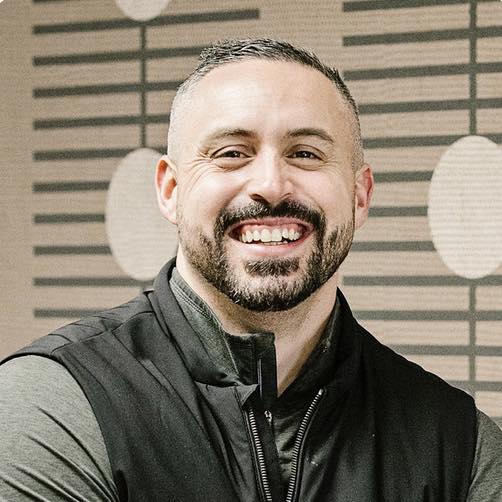
I'm Blake Suddath, a real estate recruiter and recruiting coach and the co-founder of Inner Cirql Recruiting Systems with Tyler Lewis. If you want the bigger picture of how this fits a growing team, start with the recruiting page.
How to Roll This Out to Your Team
You don't need a new program for this. You need three places it already fits.
Teach it at your weekly company meeting. Pick one meeting and walk the team through the lesson below, start to finish. In my own model that meeting was on Tuesdays. The most success I had was Tuesday at 11am, and it doubled as my best recruiting room, because I'd invite agents to "just come sit in the back, I'll save you a seat in the back, be a fly on the wall." A guest who watches your team learn how to follow up is seeing exactly what they'd get.
Put it in onboarding. I'd onboard new hires in the morning and then they'd go straight into the company meeting. "They'll feed off of that energy while also you're welcoming them into the new community." Make the follow-up setup part of that morning, so a new agent's first leads never sit untouched.
Check it in your weekly one-on-ones. We book those for 45 minutes, and they usually run a little longer. Ask the same three things every week. Which leads came in? How fast did you reach them? Who's still inside the 90-day window? You're not policing. You're coaching the habit until it runs on its own.
On a team running the Territory Takeover System, agents also join the weekly Always-On coaching call on Wednesdays, so the lesson gets reinforced outside your own meeting. The Inner Cirql explains that agent layer in what the Always-On Agent System is.
The Agent Lesson: How to Convert Real Estate Leads
Everything from here down is written to your agents. Print it, share the link, or teach from it.
You don't have a lead problem. You have a follow-up problem.
Most leads you lose, you lose quietly. You call once. Nobody answers. A showing comes up, then an offer, then another lead comes in. The first one sits. A month later your CRM is full of people nobody has talked to.
That's not laziness. You're busy doing income-producing work. The fix isn't working harder. The fix is a follow-up SYSTEM that runs whether you're busy or not.
Respond in Minutes, Not Hours
When someone fills out a form, they're holding their phone at that moment. They're thinking about a house right now. An hour from now they're thinking about dinner.
So the first reply goes out in minutes. Not after your showing. Not tonight. If your CRM can send an automatic text the moment a lead registers, turn it on and write it in your own voice. Short. Your name, that you saw what they looked at, and one easy question they can answer.
Speed doesn't close the deal by itself. It just keeps you in the conversation long enough for the rest of the system to work.
The Follow-Up Framework: Minutes, Hour, Days, 90 Days
Minutes 1 to 5: a text. The automatic reply goes out. Personal, short, one question. This is the touch that has to be fast, so let the system send it.
Hour 1: a voicemail and an email. Whether they replied or not. The voicemail is short: your name, you saw their inquiry, you're around. The email gives them something useful. A market snapshot. A neighborhood guide. Not a pitch.
Days 2 to 7: behavior-based follow-up. Watch what they do and answer it. Opened the email? Send more detail. Clicked a listing? Send similar homes. Did nothing? Send a simple check-in. Every action decides the next step.
Days 8 to 90: stay in front of them. Weekly or every other week. New listings that match what they want, a quick market update, a personal check-in now and then. A lot of people who fill out a form aren't ready this week. The agent who is still there in month two or three is the one they call.
Ninety days isn't a magic number. It's a window long enough that you stop quitting on people who simply weren't ready yet.
What Behavior-Based Follow-Up Means
Behavior-based follow-up means the lead's actions decide what you send next, instead of a calendar sending the same message to everyone.
A lead who looked at the same listing three times is telling you something. A lead who opened nothing for two weeks is telling you something else. Your CRM can see both. Use it. The message that answers what they just did will always beat the message you'd have sent anyway.
Let the System Send. Keep the Human for the Conversation.
Done by hand, everything above is a full-time job. That's why follow-up is the first thing to slip when you get busy.
So let AI and your CRM handle the first touches: the instant text, the reminders, the drafts of your check-ins. Then the moment a lead writes back, YOU step in. Call them. A live conversation is where trust gets built, and that's the one thing you never hand to a bot.
The system's job is to get you to the conversation. Your job is to have it.
The Follow-Up Math
This is an illustration with round numbers, not data. Plug in your own.
Say 100 leads come in this month. Say that, by sticking with the 90-day window, you turn just one more of those 100 into a closing than you would have by calling once and moving on.
One more closing a month is twelve more a year. From leads you already had. No new spend.
Now multiply that by every agent on your team. That's why a team leader cares about this lesson as much as you do.
The Bottom Line
For your agents: respond in minutes, follow the minutes, hour, days, 90 days framework, let behavior decide the next message, and pick up the phone the moment someone writes back. Stop blaming the leads. Start building the follow-up.
For you, the leader: teach it at the company meeting, build it into onboarding, and check it in every one-on-one. A team that teaches this has something to say when an experienced agent asks why they should join. If you want to see how that plays out with agents you recruit, read how to recruit experienced real estate agents and what happens between recruited and producing.
One call covers your team, your market, how your agents follow up today, and what it would look like to run this lesson every week.
Schedule A CallFAQ
Train a real estate team to convert leads by teaching one follow-up framework at the weekly company meeting, building it into onboarding and checking it in weekly one-on-ones. Blake Suddath teaches a four-window framework: a text in the first minutes, a voicemail and email in the first hour, behavior-based follow-up for the first week, and steady contact for 90 days. The one-on-one keeps the habit alive by asking which leads came in, how fast each was reached and who is still inside the 90-day window.
Agents should respond to a real estate lead within minutes, ideally with an automatic text the moment the lead registers. A person who just filled out a form is holding their phone and thinking about a home at that moment. A short, personal reply with one easy question keeps the agent in the conversation while the rest of the follow-up system does its work.
An agent should follow up with a real estate lead for at least 90 days unless the lead says no. Many people who fill out a form are not ready in the first week, so a voicemail, an email, a week of behavior-based messages and then weekly or biweekly contact keeps the agent in front of them. Ninety days is a working window, not a rule, and its purpose is to stop agents from quitting on leads who were simply early.
Behavior-based follow-up means the lead's actions decide the next message instead of a fixed calendar. If a lead opens an email, the next message adds detail. If a lead clicks a listing, the next message shows similar homes. If a lead does nothing, the next message is a simple check-in. A CRM that tracks opens and clicks lets an agent answer what the lead just did.
AI should handle the first touches of real estate lead follow-up and hand every live conversation to the agent. The instant text, reminders and drafts of check-in messages are good work for AI and a CRM. Once a lead replies, the agent should call, because trust is built in a live conversation. In the Team Training Library, Blake Suddath teaches agents that the system's job is to get them to the conversation and their job is to have it.
Lead conversion training helps a team recruit because experienced agents join teams where they believe they will sell more houses. Blake Suddath built his agent systems around what agents told him they needed, and has said, "This is the stuff I would teach and build so I could recruit more agents." A team that teaches follow-up every week can show a recruit what they would learn, and inviting recruits to sit in on the weekly meeting lets them see it before they join.