Why I Built This for Agents (and What It Tells a Recruit)
Leads don't come in during business hours. They come in at night, on Sunday, and in the middle of a showing.
The agents I worked with didn't ask me for an after-hours system. They asked for more leads. "Most of them just wanted to build their brand and learn AI to get more leads." So I built toward that. "So I built the things that would help them sell more houses."
More leads brought the next problem. A lot of them showed up when nobody was awake to answer. So that became the next thing to fix. That's how every lesson in this library got built. "I would just get better and learn more and solve each agent's problem of what they felt like they needed."
For a team leader, the night lead is your problem too. Somebody paid for that lead. An agent who wakes up to a lead that went cold blames the leads, then the team. When after-hours follow-up is a team standard instead of one agent's heroics, every agent gets the same chance at every lead. Agents who feel the team let their leads go cold are the ones who leave, and the agent retention rate reference covers what that turnover looks like.
It's also a recruiting answer. "This is the stuff I would teach and build so I could recruit more agents." An experienced agent will ask what happens to a lead at eleven on a Saturday night. Have an answer they can check. For what those agents look for before they move, read how to recruit experienced real estate agents. For the full data, the experienced agent recruiting reference covers what producers weigh before a move.
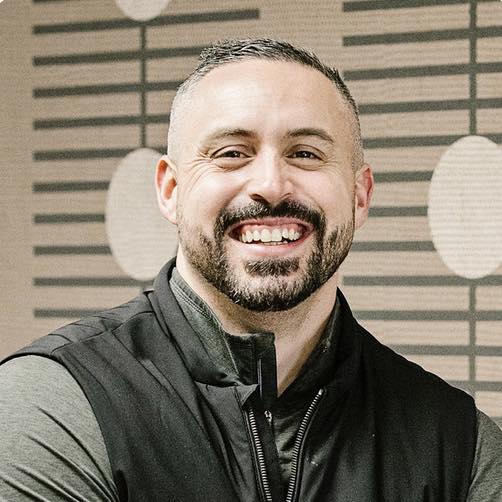
I'm Blake Suddath, a real estate recruiter and recruiting coach and co-founder of Inner Cirql Recruiting Systems with Tyler Lewis. This lesson is part of the Team Training Library. It pairs with how to convert real estate leads, which covers the full 90-day follow-up framework. This one is about the hours when nobody is at the desk.
How to Roll This Out to Your Team
After-hours follow-up works when the whole team runs the same rules. Here's where they go.
Write the after-hours playbook once. What the system sends when a lead comes in at night. What it never says. When a person takes over. Write it as a team, load the messages into the team CRM, and let each agent edit the words into their own voice.
Test it in onboarding. On a new hire's first morning, set up their lead routing and their automatic first text. Then have them register as a lead on their own site and watch what arrives. If it reads like a robot, fix it before a real lead sees it. New hires go straight from onboarding into the company meeting in our model, so they can show the room what they built.
Review one overnight lead at the company meeting. Pick a lead that came in after hours that week. Walk the room through what the system sent, what the agent sent in the morning, and what happened next. Everyone learns from one real example.
Ask about it in the one-on-one. Which leads came in after hours this week? How long until a person reached them? Who replied overnight, and did you call them first thing?
On a team running the Territory Takeover System, agents also join the weekly Always-On coaching call on Wednesdays, so the habit gets reinforced outside your own meeting. The Inner Cirql explains that agent layer in what the Always-On Agent System is.
The Agent Lesson: Follow-Up That Works While You Sleep
Everything from here down is written to your agents. Print it, share the link, or teach from it.
A lead registers on your site at 11:40 at night. You're asleep.
That's fine. Sleeping isn't the problem. The problem is nothing happening until you check your phone at noon. By then they've moved on, or another agent got there first.
You can't be awake every hour. Your SYSTEM can.
What the System Sends After Hours
A text, right away. Written in your voice. It names what they looked at and tells them when you'll call. "Hi Jordan, it's Sam. Saw you were looking at the three-bedroom on Maple tonight. I'll call you at 9 tomorrow, or reply here with a better time."
An email with something useful. Similar homes, a quick neighborhood snapshot. Not a pitch.
A watch on what they do next. Your CRM sees if they open the email, click a listing or come back to your site. That activity goes on your list for the morning.
Notice what that first text does. It tells the truth. You're not pretending to be awake. You're telling them exactly when a person will reach them.
What the System Never Does
Automation handles the first touch. It doesn't handle the client.
It doesn't give an opinion on price. It doesn't answer financing, legal or contract questions. It doesn't negotiate. And it doesn't keep chatting with someone as if a person is typing when nobody is.
When a lead replies with a real question at midnight, the system says thanks, tells them you'll answer first thing, and flags it for you. Then you answer it yourself.
The Handoff Rule: A Reply Means a Person
The moment a lead writes back, the system's job is done and yours starts.
Turn on notifications for replies, not for every automated message. During your working hours, call within minutes of a reply. Overnight replies go to the top of your morning list.
A reply is the most valuable thing in your CRM. Don't let it sit behind your inbox.
Start Every Day With the Overnight List
Before your first appointment, work what came in while you were asleep. In this order.
First, replies. Anyone who wrote back. Call them. Second, activity. Anyone who opened, clicked or came back to your site. Call or text with something tied to what they looked at. Third, new leads who did nothing. Make the call you promised in the first text, at the time you promised it.
AI can rank that list for you based on what each lead did overnight. You still make the calls.
Triggers Beat Timers
A drip that sends a message on day three no matter what is a calendar, not a system. Set your follow-up to respond to what the lead does. They clicked a listing? Offer a time to see it. They went quiet? Switch to a soft check-in. The full framework is in the follow-up system that gets callbacks.
Follow your brokerage's rules and the law on texting and calling consent, including what hours you can send. Ask your team leader what the team's process is.
Start This Week
Day 1: Check where your leads go when they register at night, and how long until anyone hears from you. Day 2: Write your first text in your own voice, with the time you'll call. Day 3: Turn on reply notifications. Day 4: Register as a lead on your own site at night and see what arrives. Day 5: Work your overnight list in order before your first appointment. Do that every morning.
The Bottom Line
For your agents: an honest first text that names what the lead looked at and when you'll call, an email worth opening, a system that never pretends to be you, a person on every reply, and the overnight list worked first every morning.
For you, the leader: write the after-hours playbook once, test it in onboarding, review one overnight lead at the company meeting, and ask about it in every one-on-one. Every lead gets the same chance, whoever it went to. For more on the leader side, read from recruited to producing.
One call covers your team, your market, what happens to a lead that comes in at night today, and what it would look like to make after-hours follow-up a team standard.
Schedule A CallFAQ
Train a real estate team on AI lead follow-up by writing one after-hours playbook for the whole team and building it into onboarding, the company meeting and one-on-ones. Blake Suddath teaches team leaders to set up each new hire's lead routing and first text on day one, have them test it on their own site, review one overnight lead at the weekly company meeting, and ask in every one-on-one how fast a person reached each after-hours lead.
Automated follow-up should send an immediate text in the agent's voice that names what the lead looked at and says when the agent will call, followed by an email with something useful such as similar homes or a neighborhood snapshot. The system should also track whether the lead opens, clicks or returns to the site, so that activity is on the agent's list in the morning.
AI lead follow-up should never give opinions on price, answer financing, legal or contract questions, negotiate, or keep chatting as if a person is typing when nobody is. When a lead replies with a real question after hours, the system should thank them, say when the agent will answer and flag the message for the agent.
A real estate agent should take over from automated follow-up the moment a lead replies. During working hours the agent should call within minutes of a reply, and replies that come in overnight should be the first calls of the morning, ahead of leads who only opened or clicked.
Behavior-based follow-up responds to what a lead does, while a time-based drip sends the same message on a fixed schedule no matter what the lead does. Blake Suddath teaches agents to set follow-up so a clicked listing leads to an offer to see it and a quiet lead gets a soft check-in, because a message that answers what the lead just did is more relevant than one sent by the calendar.
After-hours follow-up training helps a team keep agents because every agent gets the same chance at leads that arrive at night or on weekends, so fewer agents blame the leads or the team when a lead goes cold. It helps recruiting because experienced agents ask what happens to a lead that comes in late at night and want an answer they can check. Blake Suddath has said of the lessons he built, "This is the stuff I would teach and build so I could recruit more agents."
Related Content
- The Team Training Library
- Train Your Team: How to Convert Real Estate Leads (The Follow-Up Math)
- Train Your Team: The Follow-Up System That Gets Callbacks
- Train Your Team: AI CRM Setup That Agents Actually Use
- How to Recruit Experienced Real Estate Agents (Not Just New Licensees)
- What Is the Territory Takeover System?