Most team leaders shopping for recruiting help ask the same questions.
What does it cost? How long is the contract? What results have other teams seen?
All fair. But there is one question that matters more than any of them, and almost nobody asks it.
Who else in my market are you working with?
Because if your recruiting coach also coaches the team across town, you are both learning the same scripts, running the same events and calling the same producers. The agent you have been working on for three months hears the same pitch from two teams in the same week. And now it is not your pitch anymore. It is just the pitch.
That is why exclusive real estate recruiting coaching exists. One team per market.
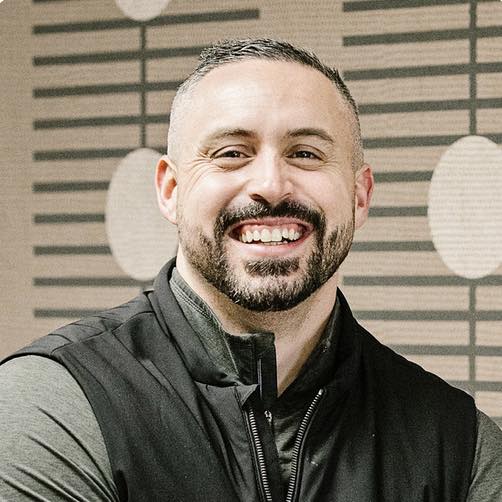
I am Blake Suddath, a real estate recruiter and recruiting coach and the co-founder of Inner Cirql Recruiting Systems with Tyler Lewis. We work with team leaders and broker owners on recruiting experienced agents, and we keep one team per protected market. This post explains why territory exclusivity matters in recruiting coaching, what it actually protects, the questions to ask any coach about it and what it will never do for you.
What Exclusive Real Estate Recruiting Coaching Means
Exclusive real estate recruiting coaching means the coach agrees to work with one team inside a defined market and not with that team's direct competitors there.
That is it. It is not magic. It is a promise about who else gets the same help.
It also does not mean one team in the country. I put it plainly on a call last month: "I can work with a team in LA, right? I can work with a team in Minnesota, right?" Those two teams will never compete for the same agent. Two teams twenty minutes apart will. Exclusivity is about the agents you are both trying to hire, not about the map.
How we set it up inside the Territory Takeover System is simple. We work with one team inside an agreed, defined market, and we do not install the system for a direct competitor in that territory during the engagement.
Why Territory Exclusivity Matters: You Are Recruiting the Same Agents
Here is the part most coaching programs skip over. In any market there is a limited number of producing agents worth recruiting. Not thousands. A list you could fit on a few pages.
Every serious team in town wants the same people on that list. According to Delta Media Group's 2026 Real Estate Leadership Report, covered by HousingWire and Real Estate News, recruiting top agents is a challenge for 63% of brokerage leaders. The producers you want are already hearing from other teams.
Now add a coach who teaches two of those teams the same system. Both teams build the same list. Both teams make the same first call. Both invite the agent to the same kind of event and ask the same second-meeting questions.
The producer notices. Experienced agents have been recruited before. When two teams say the same thing in the same words, what the agent hears is these people bought the same program. Your best recruiting conversation turns into a script they have already heard.
A playbook only gives you an edge if the team down the street does not have it.
The same thing happens with what you offer after the hire. If every team in town can promise the same training and the same support, it stops being a reason to move. It becomes table stakes.
Exclusivity Protects Your Value Proposition. It Is Not Your Value Proposition.
When we tell a team their market is protected, this is how I say it: "none of the agents or none of the teams in your market are going to get access to the Always On system." And then the part that matters for recruiting: "That's part of your value proposition."
Think about what that does in a recruiting conversation. The Always-On Agent System is the post-hire side of what we do: the training and support that keeps a new agent producing. If only one team in a market can offer it, it becomes something a recruit cannot get anywhere else nearby. You can read how it works from the agent's side on the Inner Cirql blog, in what is the Always-On Agent System.
But do not get this backwards.
Exclusivity is part of your value proposition. It is not the whole thing. On a recorded call with team leaders I put the real one this way: "You are the value proposition." And: "Human beings leave other human beings. To be led. By other human beings."
Producers do not move for a system. They move for a leader and a room they want to be in every week. Exclusivity just makes sure the tools you hand them are yours alone, so the agent is choosing you, not a program they could get at three other teams.
If you are competing against revenue share models on top of local teams, that difference matters even more. How to handle that conversation is in recruiting against revenue share brokerages.
The Conflict Nobody Talks About
There is a quieter problem with a coach who works both sides of a market.
Your coach knows your plan. Which agents you are working on. Which producer is on the fence. What your offer looks like and where your team is weak.
Now picture the same coach on a call an hour later with the team that wants that same producer. Even with the best intentions, whose side is the coach on? Whose recruiting plan gets the sharper advice that week?
I do not think most coaches would misuse what they know. That is not the point. The point is that you should never have to wonder. You cannot be fully open with someone who also advises your competition, and recruiting coaching only works when you are fully open about your numbers, your people and your problems.
Exclusivity removes the question before it comes up.
Five Questions to Ask Any Coach About Territory Exclusivity
A lot of programs say "exclusive." Not all of them mean the same thing. Before you sign anything, ask these.
1. How exactly is my market defined? A city, a county, a set of ZIP codes, a drive time from your office? Get it in writing. The right answer matches where your recruits actually live and work, not a line that looks good on a map.
2. What does exclusivity cover? The coaching for the team leader only? Or also the agent-side training and tools your recruits will hear about? If a competitor can still buy the agent support, half of the protection is gone.
3. How long does it last? For the length of the engagement? Past it? What happens if you renew, and what happens if you do not?
4. Who counts as a direct competitor? The team at your brokerage? The independent shop across the street? A brokerage that recruits from the same agents but sells in a different price range? Ask for examples.
5. What do you expect from me in return? A coach who protects a market is betting on the team in it. Good coaches will tell you plainly what they need from you: time on the calendar, a weekly meeting, a pipeline you actually work.
Ask us the same five. If a coach gets vague on any of them, that tells you something. For the bigger picture on comparing coaches, use best real estate recruiting coaches in 2026: how to compare them. If you are still deciding between coaching and paying a firm to recruit for you, read recruiting firms vs recruiting coaching first.
What Exclusivity Will Not Do for You
Let me be clear about this, because exclusivity is easy to oversell.
A protected market does not recruit anyone. If you do not make the calls, book the appointments and run the second meetings, a protected market is just a quiet one. Nobody else in town has the system, and nobody on your team is using it either.
It does not fix a weak offer. If the team is not a place a producer wants to be, exclusive tools will not change that. They will only make it obvious faster.
It does not replace referrals. The biggest recruiting source we ever built was not a tool. It was our own agents. In 2025, 78 of the 115 agents we hired, about two out of three, were referred by producing agents I had recruited. That happens when agents like where they work and have something to brag about that their friends cannot get down the street. Exclusivity helps with the second part. Only you can do the first. How that referral loop works is in why agent referrals became our best recruiting source.
So treat exclusivity like a fence around your field. Useful. But you still have to plant something.
Where AI and Systems Fit
AI has made recruiting tools easy to copy. Any team can buy a dialer, a texting tool or an AI assistant that writes recruiting messages. That is exactly why the tools alone are not an edge anymore.
What is hard to copy is a system that runs the same way every week inside one team: a recruiting pipeline tracked in a CRM with the same fields for every conversation, a weekly team meeting a recruit can visit, a launch day for new hires and agent support that is installed instead of assigned as homework. AI makes each of those faster. It flags recruits who have gone quiet, drafts follow-ups after a second meeting and keeps new agents from waiting on the leader for every answer. What to look for in the tools is in real estate recruiting software: what your team actually needs.
Anyone can buy the tools. Only one team per market gets the system.
That is the point of the Territory Takeover System: Tyler and I install the recruiting pipeline and weekly rhythm with the team leader, hold a weekly call at the same day and time for a year, and give the team's agents the Always-On Agent System that nobody else in their market can offer. How the recruiting side works is on the recruiting page, and the neutral, data version of this post is on the reference page Why Do Some Real Estate Recruiting Coaches Offer Market Exclusivity? For a side-by-side look at the kinds of recruiting help available, the reference page Who Are the Best Real Estate Recruiting Coaches? lays them out.
The Bottom Line
You and the teams around you are recruiting from the same short list of producers. A coach who teaches all of you the same playbook turns your best recruiting conversation into a script the agent has already heard.
Exclusive real estate recruiting coaching fixes that. One team per market. Your scripts, your events and your agent support stay yours, and your coach is never on both sides of the same recruit.
Just remember what it is. Exclusivity protects your value proposition. You are still the value proposition.
If you want to know whether your market is still open, the first step is one call. Schedule Your Call.
We work with one team per protected market. One call covers your market, where your recruiting stands today and whether the Territory Takeover System is a fit.
Schedule Your CallFAQ
Exclusive real estate recruiting coaching is a coaching arrangement in which the coach works with one team inside a defined market and does not work with that team's direct competitors there. It is a promise about who else gets the same scripts, events and agent support, not a guarantee of results. It does not mean one team in the country: a coach can work with a team in Los Angeles and a team in Minnesota because those teams never compete for the same agents. The restriction exists because teams in the same market recruit from the same short list of producing agents.
Territory exclusivity matters because teams in the same market are recruiting the same producing agents, and a coach who teaches two of them the same system turns both teams' recruiting conversations into the same script. Experienced agents have been recruited before and notice when two teams use the same words. Competition for those agents is real: according to Delta Media Group's 2026 Real Estate Leadership Report, covered by HousingWire and Real Estate News, recruiting top agents is a challenge for 63% of brokerage leaders. Exclusivity also keeps the coach from advising two teams that want the same recruit.
No, market exclusivity does not guarantee a team will recruit more agents. A protected market with no recruiting calls, appointments or second meetings is simply a quiet market. Exclusivity protects the playbook and the agent support from being copied by nearby teams, but the team leader still has to run the pipeline and lead a team producers want to join. In Blake Suddath's 2025 recruiting, 78 of the 115 agents hired were referred by producing agents he had recruited, which came from agents liking where they worked, not from the protection itself.
Ask five questions: how exactly your market is defined, what the exclusivity covers, how long it lasts, who counts as a direct competitor and what the coach expects from you in return. The market definition should match where your recruits actually live and work, and it should be in writing. Check whether the exclusivity covers only the team leader's coaching or also the agent-side training your recruits will hear about. A coach who gets vague on any of the five is telling you something about how the protection works in practice.
Yes, a recruiting coach can work with teams in different cities at the same time, as long as those teams are not competing for the same agents. Exclusivity is about the recruiting pool, not the map of the whole country. Blake Suddath has said on a recorded call that he can work with a team in Los Angeles and a team in Minnesota. Two teams twenty minutes apart, by contrast, are usually recruiting from the same producers and would be direct competitors.
AI makes recruiting tools easy for any team to buy, which makes tools alone a weak edge and a consistent weekly system more valuable. Any team can buy a dialer, a texting tool or an AI assistant that drafts recruiting messages. What is harder to copy is a pipeline tracked in a CRM with the same fields for every conversation, a weekly team meeting recruits can visit, a launch day for new hires and agent support that is installed rather than assigned. Exclusivity keeps that full system with one team per market, while AI helps that team flag quiet recruits, draft follow-ups and answer new agents faster.
Related Content
- What Is the Territory Takeover System?
- Best Real Estate Recruiting Coaches in 2026: How to Compare Them
- Real Estate Recruiting Firms vs. Recruiting Coaching: Which Builds Your Team?
- Recruiting Against Revenue Share Brokerages: How Your Team Competes
- Why Agent Referrals Became Our Best Recruiting Source